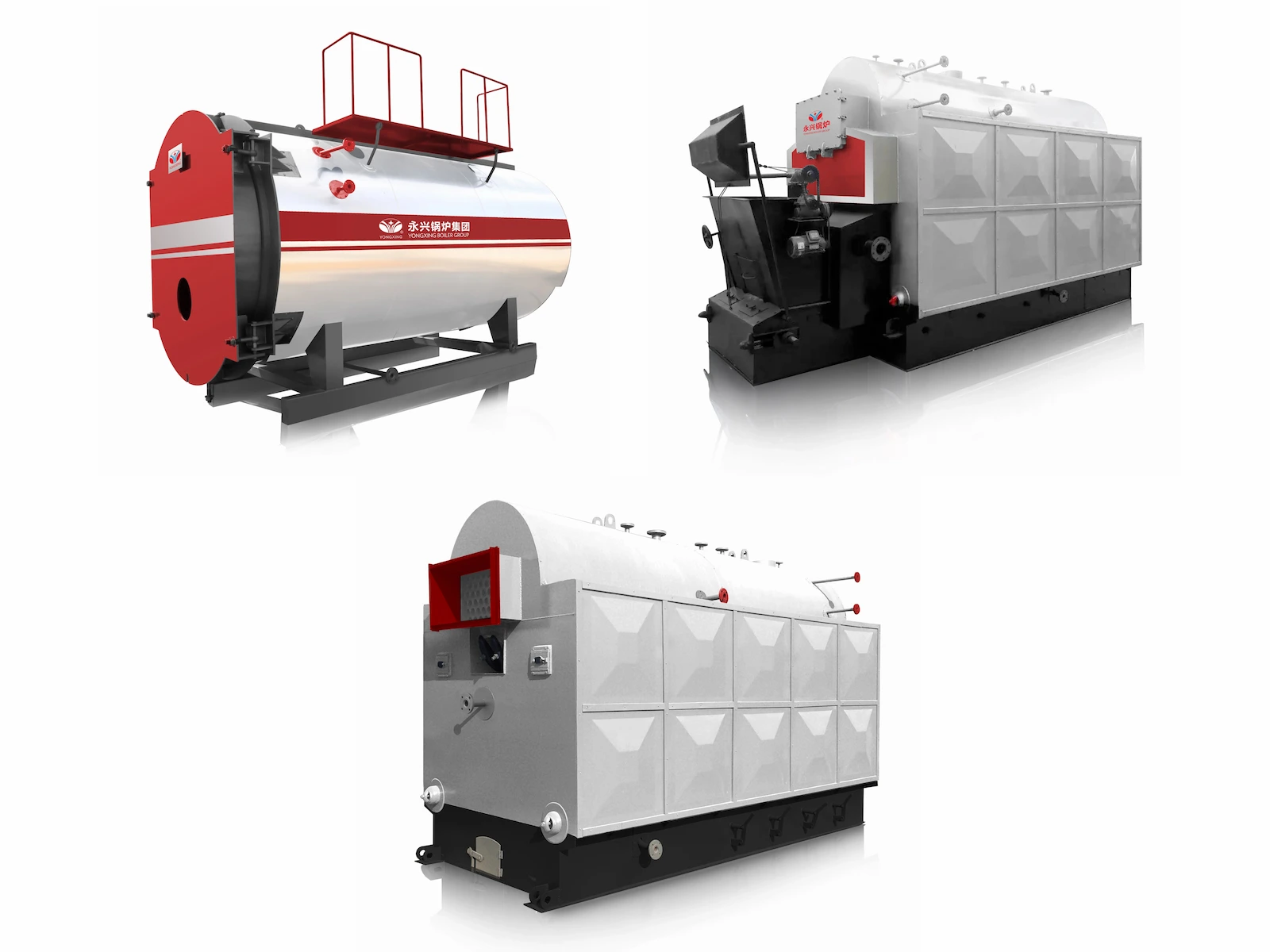
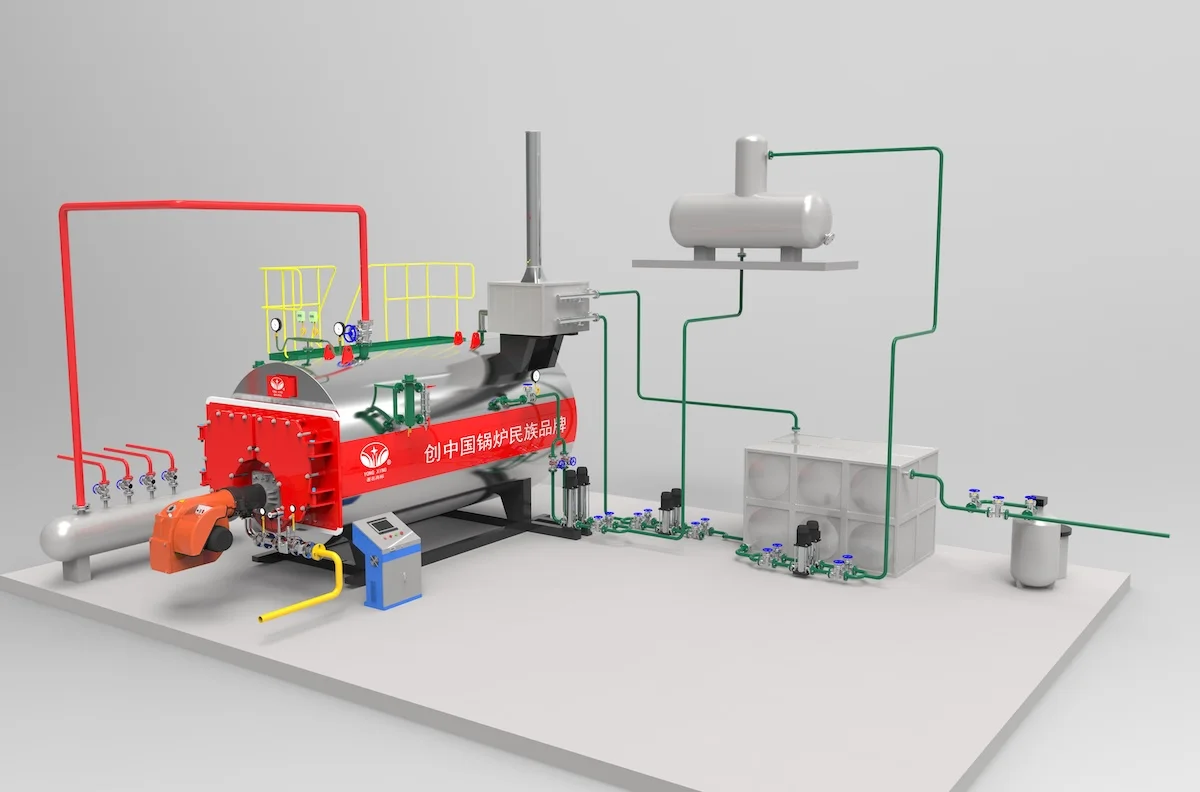
A 2 ton boiler is an industrial steam boiler designed to produce 2,000 kg of steam per hour (2 TPH), equivalent to approximately 1.4 MW of thermal capacity. Depending on fuel type and boiler design, the reference 2026 EXW price ranges from approximately USD 15,000 to 38,000 for WNS gas/oil-fired, DZL coal/biomass-fired, and DZH coal/biomass-fired models.
A 2 ton steam boiler is typically suitable for small and medium production lines with moderate or fluctuating steam demand. Gas-fired models can typically reach working pressure within 15–30 minutes from a cold start, making them suitable for batch production and frequent load changes. Multiple units can also operate in parallel for flexible capacity and backup, while the compact packaged design simplifies transportation and on-site installation.
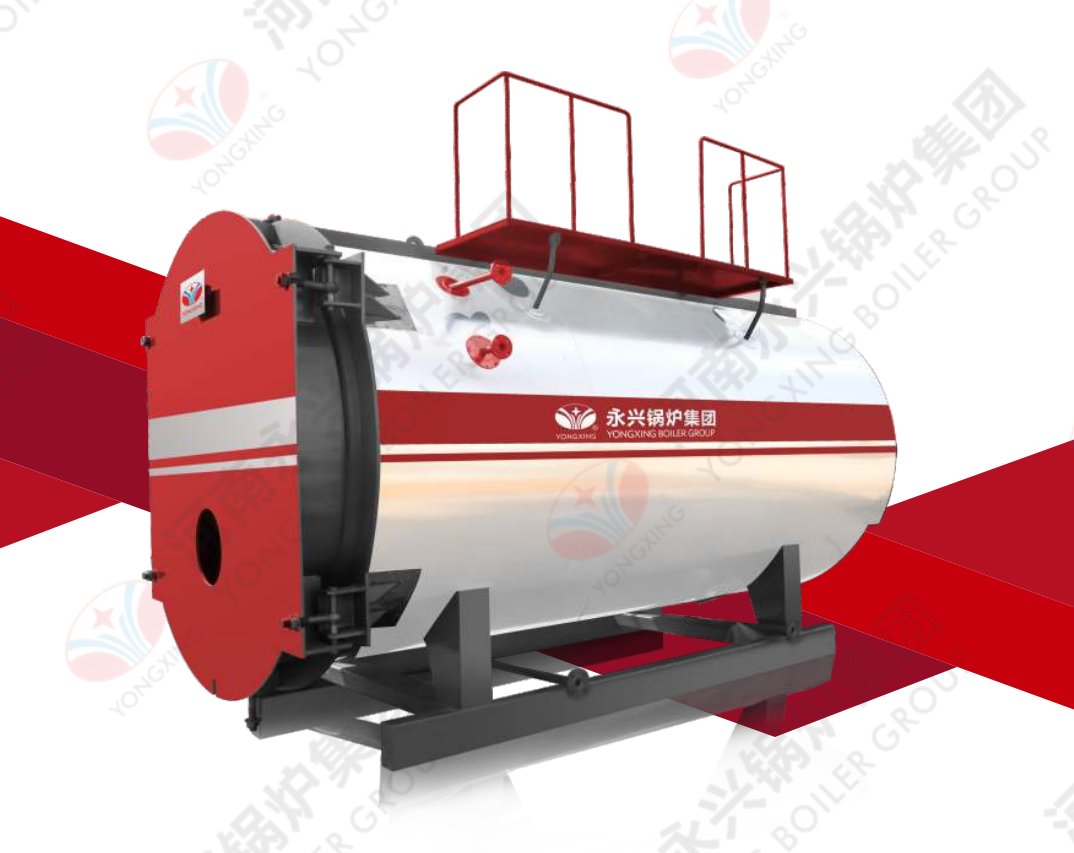
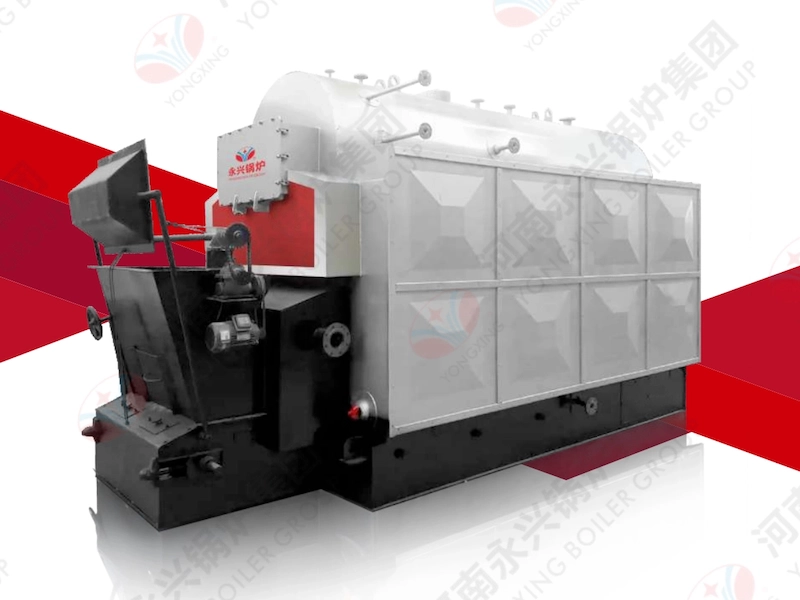
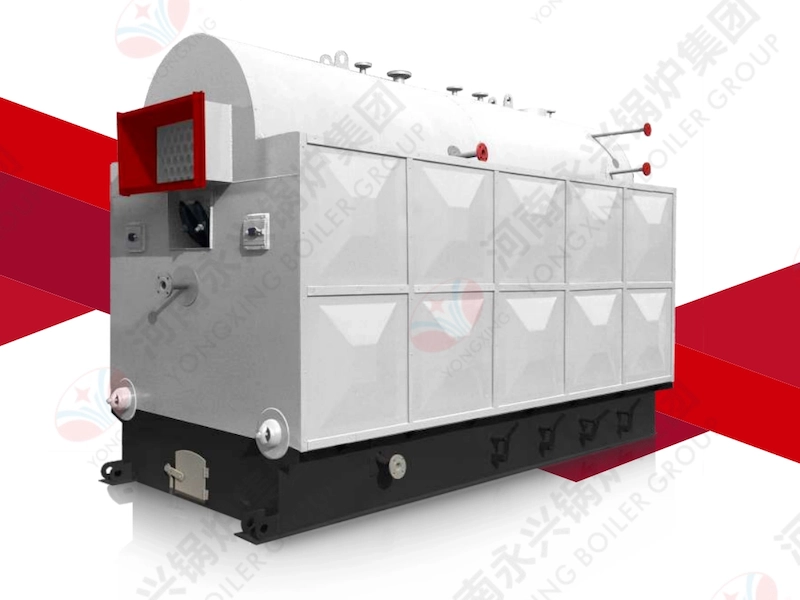
| Model |
|
|
|
| the reference 2026 EXW price | USD 15,000 – 25,000 | USD 24,000 – 38,000 | USD 16,000 – 28,000 |
| Capacity | 2 t/h | 2 t/h | 2 t/h |
| Boiler Type | Gas & oil fired steam boiler | Coal & biomass fired steam boiler | Coal & biomass fired steam boiler |
| Steam Pressure | 1.25 MPa | 1.25 MPa | 1.25 MPa |
| Steam Temperature | 194 °C | 194 °C | 194 °C |
| Compatible Fuels | Light Oil, Heavy Oil, Natural Gas, City Gas, Hydrogen | Coal, biomass | Coal, biomass |
| Thermal Efficiency |
Up to 100.9% based on LHV with condenser; Up to 90–93% without condenser |
Up to 82% without economizer; Up to 88% with economizer |
Up to 80% |
| Design Features |
Ultra-Low-Nitrogen (Low-NOx <30mg); Integrated Condensing Recovery |
Eco-Friendly Compliance Automated Chain Grate; Smart Safety Alarm System and Higher Thermal Efficiency(82%-88%) |
Fixed grate manual firing system; Diverse fuel adaptability; Near-Zero Failure Rate & Maintenance. |
| Core Advantages |
≥ 100.9% Efficiency: Cuts gas bills by 5%–8% via deep condensing recovery; Eco-Compliance: Easily passes strict low-carbon emission limits. |
High Automation: Automated feeding and water regulation minimize manual labor; 82%–88% Efficiency: 3-pass large combustion chamber ensures rapid steam output. |
Direct Waste Firing: Accepts bulky wood waste, factory scraps, and raw coal without requiring expensive crushing equipment; Zero Mechanical Failure: Bulletproof simplicity with no complex motorized moving parts to ensure low maintenance. |
| Max Transport Weight(kg) | 7200 | 23000 | 21000 |
| Max Transport Dimension/(LxWxH) (mm) | 3,800 × 1,900 × 2,200 | 5,650 × 2,400 × 2,700 | 4,900 × 1,900 × 3,255 |
| Transport Mode |
Land: 13.5m lowbed trailer (total height ≤ 3.6m); Sea: 40' GP/HQ container. |
Land: 13.5m lowbed trailer (total height ≤ 3.7m); Sea: 40' Flat Rack container. |
Land: Ultra-lowbed trailer (total height ≈ 4.1m, check clearance); Sea: Breakbulk or OOG Flat Rack. |
| Installation | Skid-mounted / modular installation (overall lifting and positioning, no field assembly). | Skid-mounted / modular installation (overall lifting and positioning, no field assembly). | Skid-mounted / modular installation (overall lifting and positioning, no field assembly). |
| Site Installation Requirements |
1. Foundation: Concrete pad (thickness ≥ 200mm, capacity ≥ 15 tons based on operational weight). 2. Space: 25-ton crane for unloading; clearance width > 3.0m, height > 4.0m. 3. Utilities: Piping and power cables routed to tie-in points in advance. |
1. Foundation: Concrete pad (thickness ≥ 300mm, capacity ≥ 30 tons based on operational weight). 2. Space: 50-ton crane for unloading; clearance width > 3.5m, height > 4.5m. 3. Utilities: Piping and power cables routed to tie-in points in advance. |
1. Foundation: Concrete pad (thickness ≥ 300mm, capacity ≥ 30 tons based on operational weight). 2. Space: 50-ton crane for unloading; clearance width > 3.0m, height > 4.5m. 3. Utilities: Piping and power cables routed to tie-in points in advance. |
| Operating Parameters: Rated Gauge Pressure = 1.25 MPa | Standard Enthalpy Demand = 600,000 kcal/ton (Feedwater Temp.≈68°C) | ||||||
|---|---|---|---|---|---|---|
| Boiler Model | Operating Condition | Fuel Type | Thermal Efficiency | Unit Price | Fuel Consumption | Fuel Cost(USD) |
| WNS2-1.25-YQ | Without condenser | Natural Gas | 91.5% | 0.46USD/m³ | 144.2m³ | 70.98 |
| WNS2-1.25-YQ | With condenser, LHV | Natural Gas | 100.9% | 0.46USD/m³ | 140.0m³ | 64.36 |
| DZL2-1.25-T | Without economizer | Biomass Pellet | 82.0% | 0.16USD/kg | 365.8kg | 58.54 |
| DZL2-1.25-AII | Without economizer | Bituminous Coal | 82.0% | 0.13USD/kg | 292.6kg | 38.04 |
| DZL2-1.25-T | With economizer | Biomass Pellet | 88.0% | 0.16USD/kg | 341.0kg | 54.54 |
| DZL2-1.25-AII | With economizer | Bituminous Coal | 88.0% | 0.13USD/kg | 272.8kg | 35.46 |
| DZH2-1.25-T | Standard (Manual) | Biomass Pellet | 80.0% | 0.16USD/kg | 375.0kg | 60.00 |
| DZH2-1.25-AII | Standard (Manual) | Bituminous Coal | 80.0% | 0.13USD/kg | 300.0kg | 39.00 |
|
Note: 1、All projections are theoretical estimates assuming constant fuel prices. Fuel calorific values and efficiencies are expressed on an LHV basis (Natural Gas: 8,500 kcal/m³ | Biomass: 4,000 kcal/kg | Bituminous Coal: 5,000 kcal/kg). 2、Thermal efficiencies are standardized baseline values for comparison only; actual performance varies with fuel quality, moisture content, and operating conditions. 3、For condensing natural gas boilers, efficiencies above 100% reflect LHV-based latent heat recovery. 4、Extra operating costs such as electricity, water, labor, and maintenance are excluded. 5、Intermediate calculations use full precision; displayed figures are rounded. |
||||||
The reference 2026 EXW price of a 2 ton steam boiler:
2 ton gas/oil fired steam boiler (WNS): USD 15,000 – 25,000
2 ton coal/biomass fired steam boiler (DZL): USD 24,000 – 38,000
2 ton coal/biomass fired steam boiler (DZH): USD 16,000 – 28,000
The final price depends on working pressure, fuel system, burner selection, auxiliary equipment, and project requirements.
Limited water and steam volume can cause water carryover, wet steam, and sudden pressure drops. Solutions include balancing process steam use, choosing a boiler design with a large steam space, adding a steam accumulator, and avoiding prolonged operation below the minimum stable load limit, since frequent cycling itself creates sharp load swings that disturb water level.
A small capacity margin (typically 10%–20%) helps absorb peak loads and avoids running at 100% for long periods. This does mean lower average load in slow periods, so if demand drops below 50%, pair the boiler with a modulating burner (for continuous turndown) and a VFD (to cut fan/pump energy waste).
Conduct accurate peak vs. average load calculations. If demand varies drastically, use a modulating burner, a steam accumulator, or a modular system (e.g., two 1-ton boilers, or a base-load boiler plus a peak-shaving unit) instead of one oversized boiler.
Always start with a low fire to allow gradual temperature and pressure rise, preventing thermal shock to the drum and tubes. During shutdown, reduce load gradually, purge the combustion chamber, and perform bottom blowdown under residual pressure to clear accumulated sludge.
A 1-ton boiler typically utilizes a single-tank softener with timed regeneration. A 2-ton boiler, with higher continuous steam output, benefits from a dual-tank alternating system to ensure uninterrupted, 24/7 softened water supply during resin regeneration.
Not strictly mandatory for all cases, but highly recommended if make-up water consumption is high (low condensate recovery) or an economizer is installed. Dissolved oxygen in cold make-up water causes pitting corrosion; using a thermal deaerator or chemical oxygen scavengers drastically extends equipment lifespan.
No. High heat flux still demands strict softening or RO filtration, plus routine TDS and hardness testing. Because a 2-ton boiler has a smaller water buffer than a 4-ton boiler, it is actually more sensitive to sudden water quality deterioration and scaling.
If future demand is fluctuating or phased, adding a second 2-ton boiler provides higher operational flexibility, better low-load efficiency, and 100% N+1 standby redundancy. If demand is stable, continuous, and space is tight, a single 4-ton boiler offers lower per-ton capital costs and simpler maintenance.
Raw water contains calcium and magnesium ions that rapidly form hard scale under high heat. Just 1 mm of scale can increase fuel consumption by 3%–5% and cause localized metal overheating, tube bulging, or catastrophic pressure vessel failure.
It optimizes boiler-room layout, recovers latent heat from flue gas using corrosion-resistant ND steel or stainless steel heat exchangers, and boosts thermal efficiency up to 98%+. Paired with low-NOx burners, it easily meets stringent municipal and global environmental regulations.
Boiler solutions for the food industry
Boiler solutions for chemical
Boiler solutions for heating industry
Boiler solutions for pharmaceutical
Boiler solutions for the hotel industry
Boiler solutions for paper industry
Boiler solutions for textile industry
Boiler solutions for building materials
Boiler solutions for breeding
Boiler solutions for feed industry
Boiler solutions for mining industry
Boiler solutions for brewing industry
Yongxing Special Equipment Co., Ltd. is located in Taikang County, Zhoukou City, Henan Province. Established in the early 1980s, it is a company specializing in the research, design, production, sales, installation, renovation, and a series of services for products such as boilers and pressure vessels.
As one of the earlier companies in the domestic boiler industry, Yongxing Special Equipment was the first to obtain the Class A boiler manufacturing license issued by the State Administration for Market Regulation. Subsequently, it acquired the Class A pressure vessel manufacturing license and the Class A boiler installation, renovation, and repair license.
Development History
Manufacturing Plant Area
Patented Technology
Exported Countries
Tell us your project type and operating requirements. We will provide you with the best solution based on your requirements.