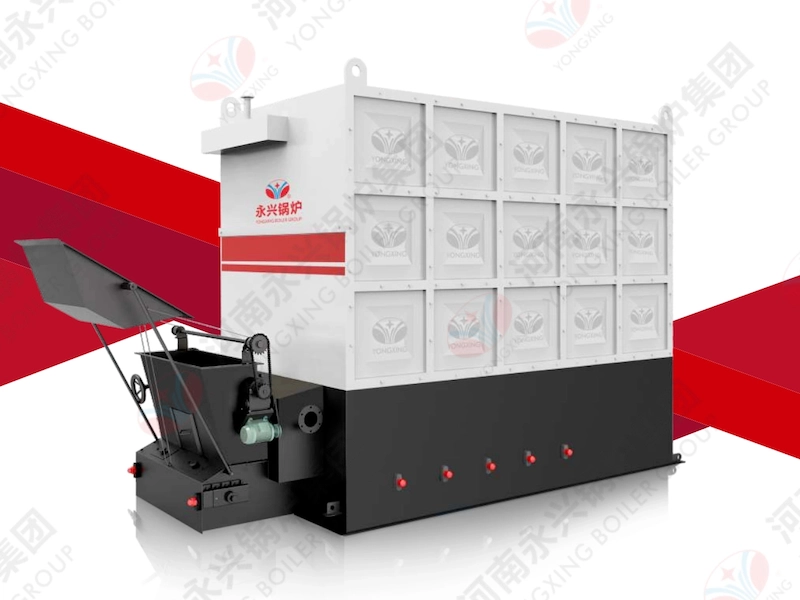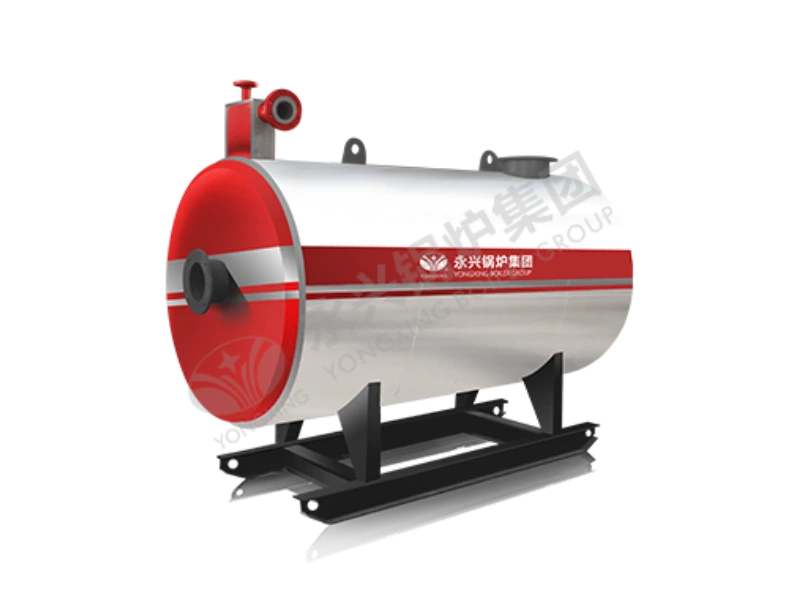
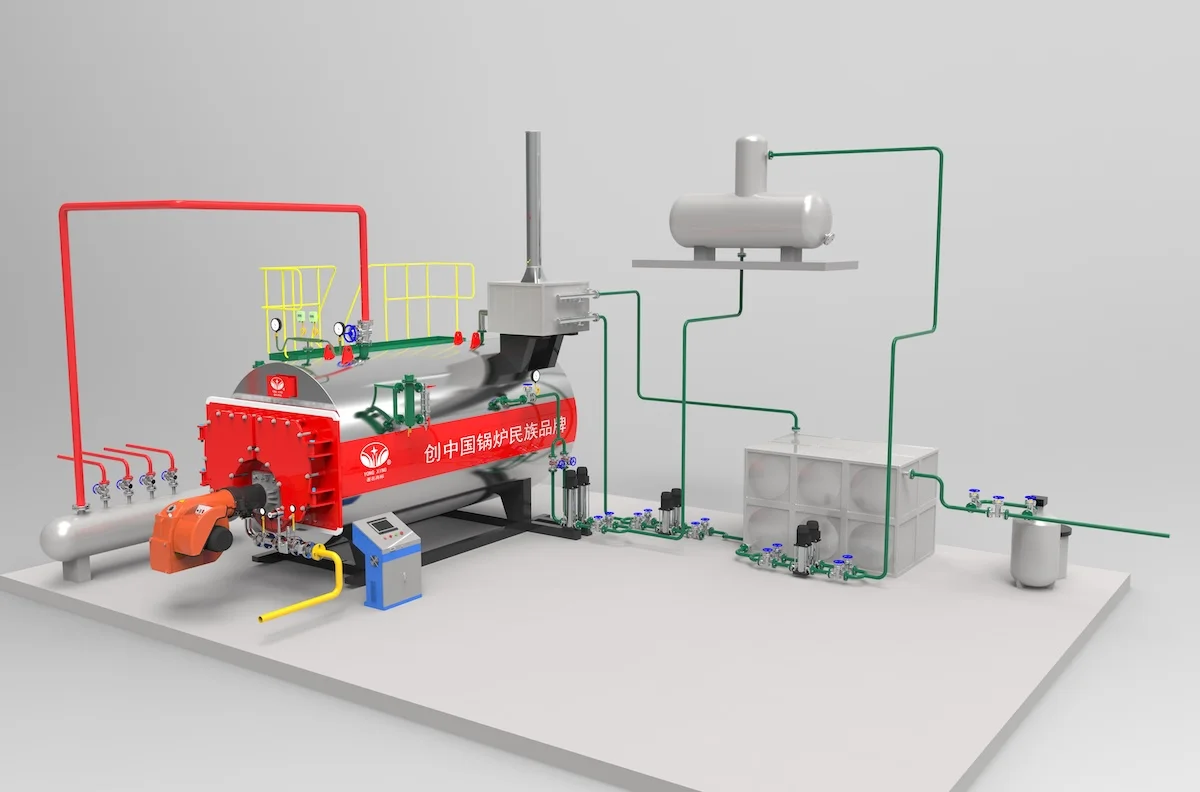
Yongxing thermal oil boilers provide precise high-temperature heating up to 350°C at low pressures. Available in gas, oil, or biomass-fired designs with capacities from 0.1MW to 25MW, our systems feature multi-layer coil structures for superior thermal efficiency. These specialized heaters ensure uniform heat transfer and safety for demanding chemical, textile, and wood processing industries.
We provide a complete service ecosystem, including custom thermal design, international logistics, and 24/7 technical support. With hundreds of successful global projects, YongXing offers end-to-end solutions from site commissioning to lifetime maintenance. Choose YongXing for reliable, certified, and energy-saving thermal energy tailored to your industry’s specific needs.
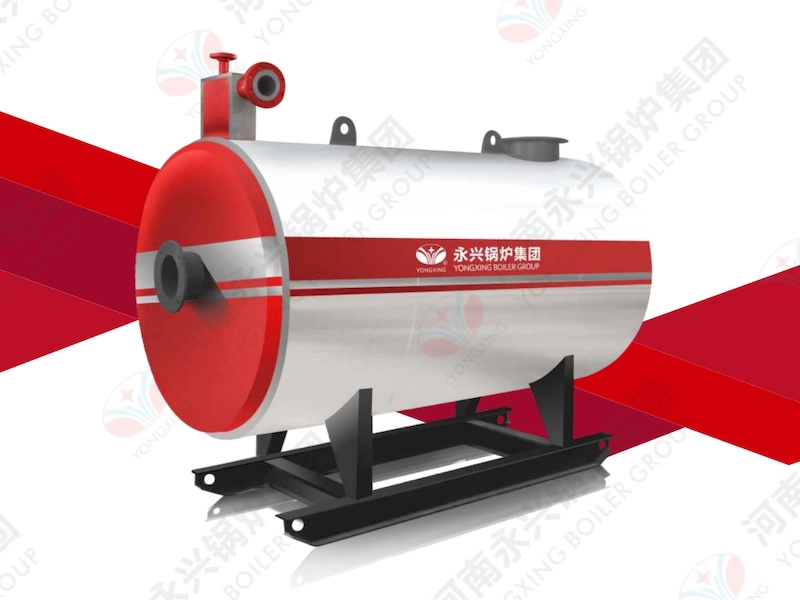
Estimated EXW reference prices vary by thermal capacity and design:
– Small Vertical Systems (<0.7 MW / <600,000 kcal/h): USD 8,000 – 23,000
– Medium Horizontal Systems (0.7–3.5 MW / 600,000–3,000,000 kcal/h): USD 23,500 – 88,000
– Large High-Temperature Systems (>3.5 MW / >3,000,000 kcal/h): Starting from USD 88,000+
Prices vary by operating temperature, thermal capacity, temperature control requirements, and burner/auxiliary brands. Quotes cover the boiler pressure vessel and control cabinet only (excluding freight). Custom multi-coil units are quoted separately.
Boilers are classified by three main criteria:
A complete thermal oil system comprises five main components:
The main advantage is achieving high working temperatures (300–350 °C) at low operating pressures (<0.8 MPa), whereas achieving 300 °C saturated steam requires approximately 8.6 MPa pressure.
In addition, closed-loop thermal fluid operation avoids most water-side scaling, corrosion issues, and freezing risks, reducing water treatment requirements.
Depending on system design, temperature control accuracy can reach ±1 °C.
Standard gas/oil or electric thermal oil heaters typically take 25–40 days.
Custom multi-pass coil designs, large biomass units, or high-temperature systems (>300 °C) take 45–75 days (including coil NDT and hydrostatic testing).
Maintain proper fluid circulation and perform strict initial degassing:
Thermal fluid degrades over time due to thermal cracking and oxidation, affecting heat transfer performance and reducing the flash point.
Regular testing of key parameters helps determine fluid condition:
Common field installation issues include:
Thermal oil systems are widely used in chemical reactor jackets, asphalt heating and terminal storage, textile heat-setting machines, plywood/wood pressing, paper coating and drying, food frying/baking, and rubber/plastic molding.
Boiler solutions for the food industry
Boiler solutions for chemical
Boiler solutions for heating industry
Boiler solutions for pharmaceutical
Boiler solutions for the hotel industry
Boiler solutions for paper industry
Boiler solutions for textile industry
Boiler solutions for building materials
Boiler solutions for breeding
Boiler solutions for feed industry
Boiler solutions for mining industry
Boiler solutions for brewing industry
Yongxing Special Equipment Co., Ltd. is located in Taikang County, Zhoukou City, Henan Province. Established in the early 1980s, it is a company specializing in the research, design, production, sales, installation, renovation, and a series of services for products such as boilers and pressure vessels.
As one of the earlier companies in the domestic boiler industry, Yongxing Special Equipment was the first to obtain the Class A boiler manufacturing license issued by the State Administration for Market Regulation. Subsequently, it acquired the Class A pressure vessel manufacturing license and the Class A boiler installation, renovation, and repair license.
Development History
Manufacturing Plant Area
Patented Technology
Exported Countries
Tell us your project type and operating requirements. We will provide you with the best solution based on your requirements.