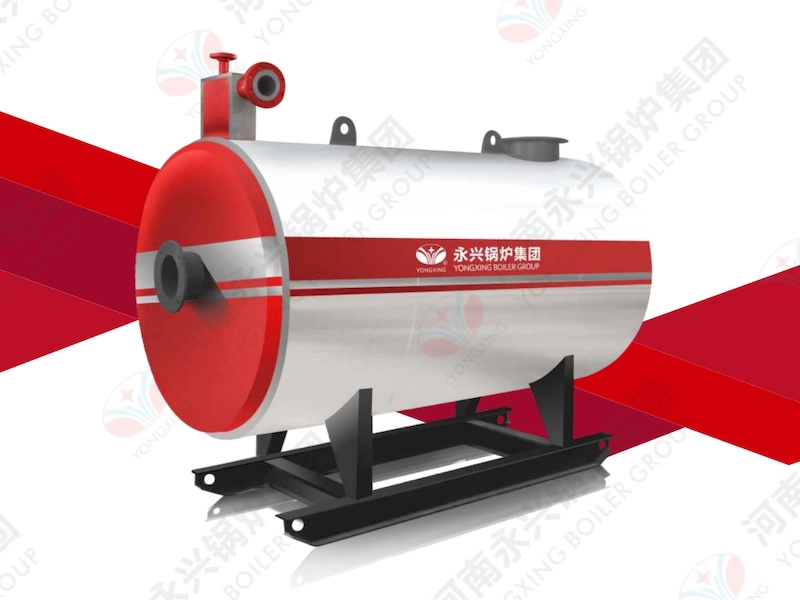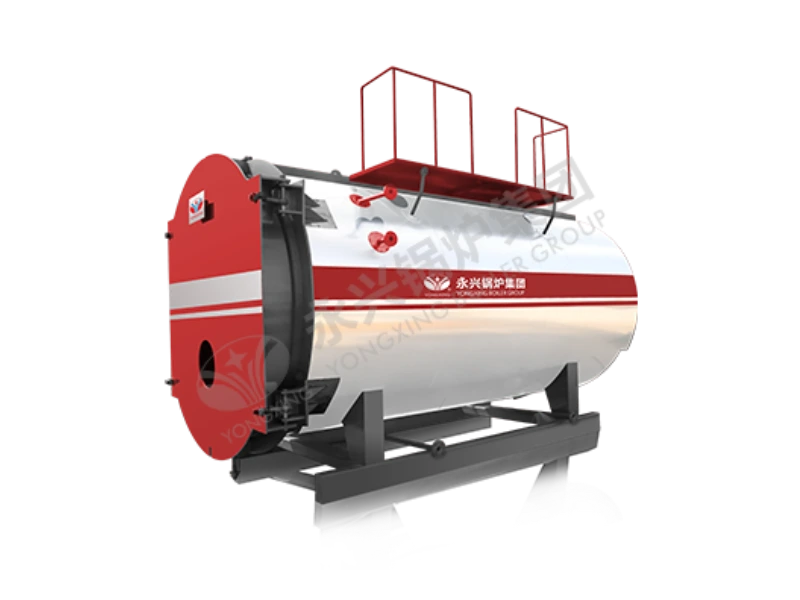
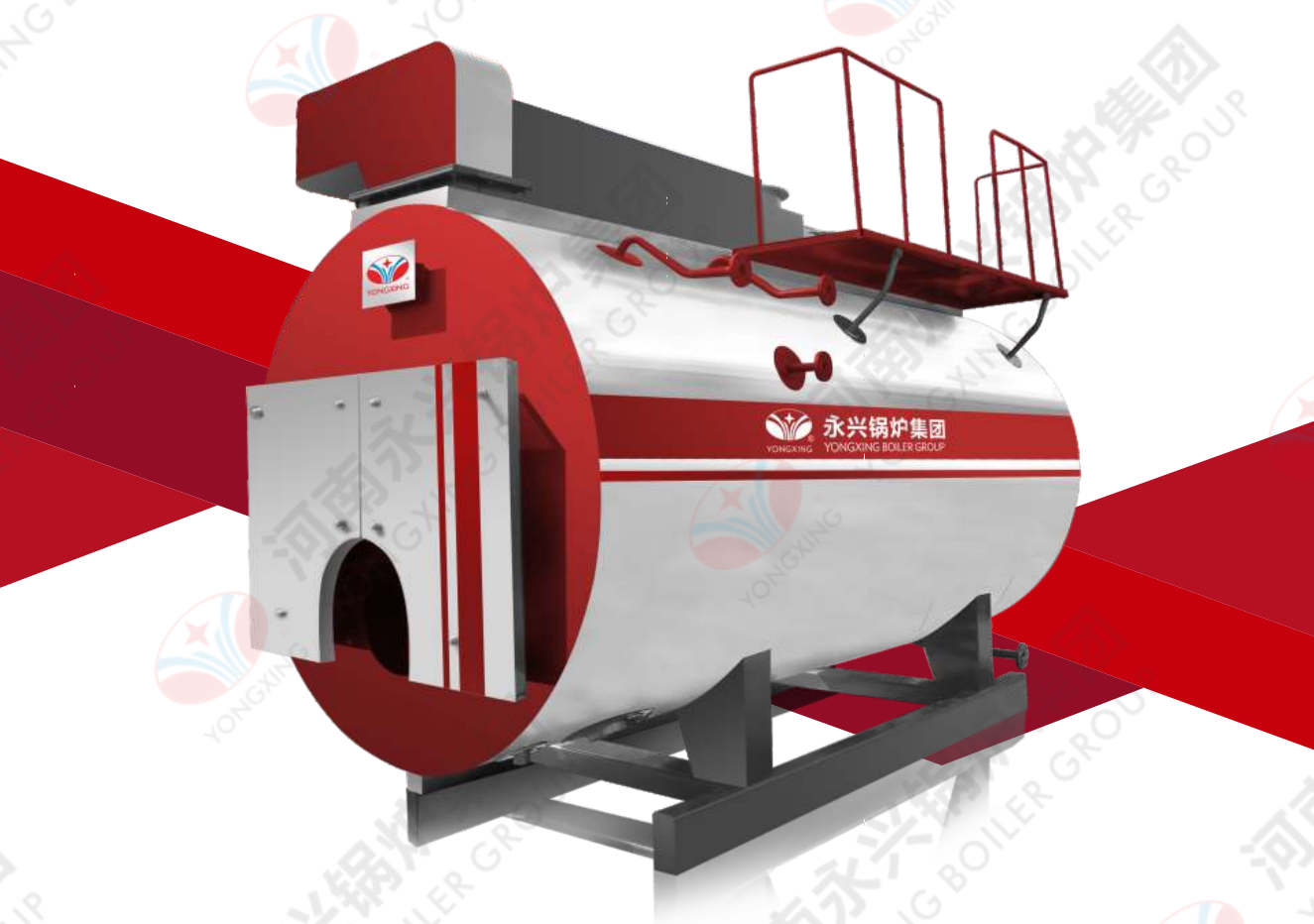
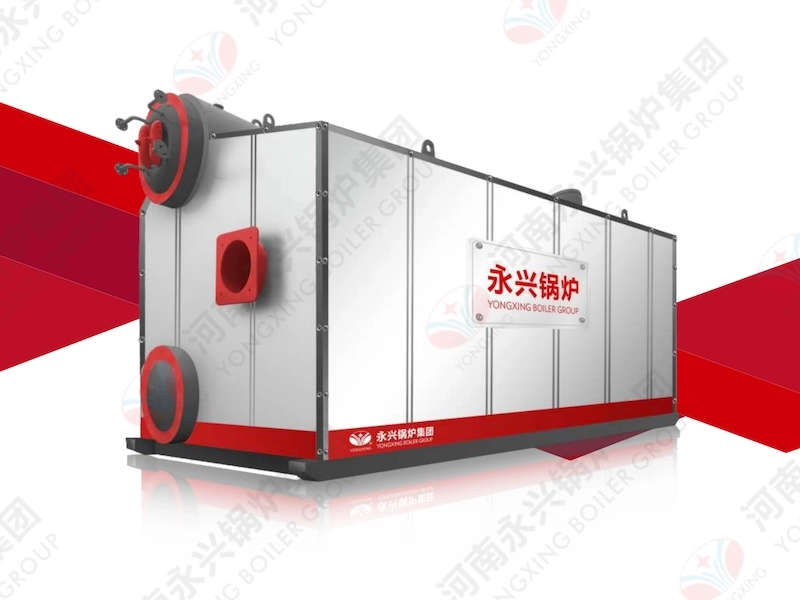
Yongxing WNS and SZS series gas/oil-fired boilers are engineered for high-performance steam, hot water, and thermal oil production. Featuring optimized furnace geometries and advanced low-NOx combustion technology, these units offer steam capacities from 1–100 t/h or heating up to 70MW. Built for safety and high thermal efficiency, Yongxing ensures clean, stable, and automated energy solutions for global industrial markets.
We provide a complete service ecosystem, including custom thermal design, international logistics, and 24/7 technical support. With hundreds of successful global projects, YongXing offers end-to-end solutions from site commissioning to lifetime maintenance. Choose YongXing for reliable, certified, and energy-saving thermal energy tailored to your industry’s specific needs.
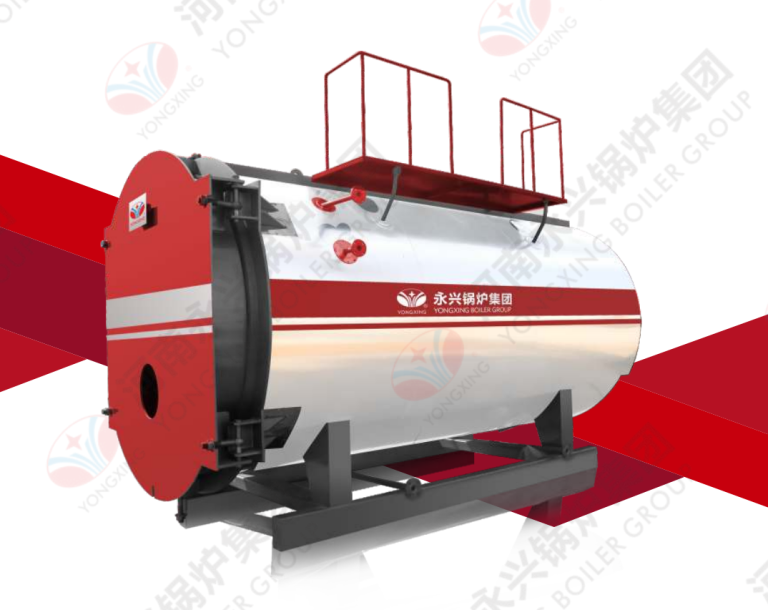
Estimated EXW reference prices vary by capacity and structural configuration:
Final pricing depends on pressure rating, burner configuration, emission requirements, and auxiliary equipment.
Standard quotations usually cover the boiler body and control panel only, excluding freight and port charges. Skid-mounted packages, turnkey systems, and final pricing are confirmed after technical drawing review.
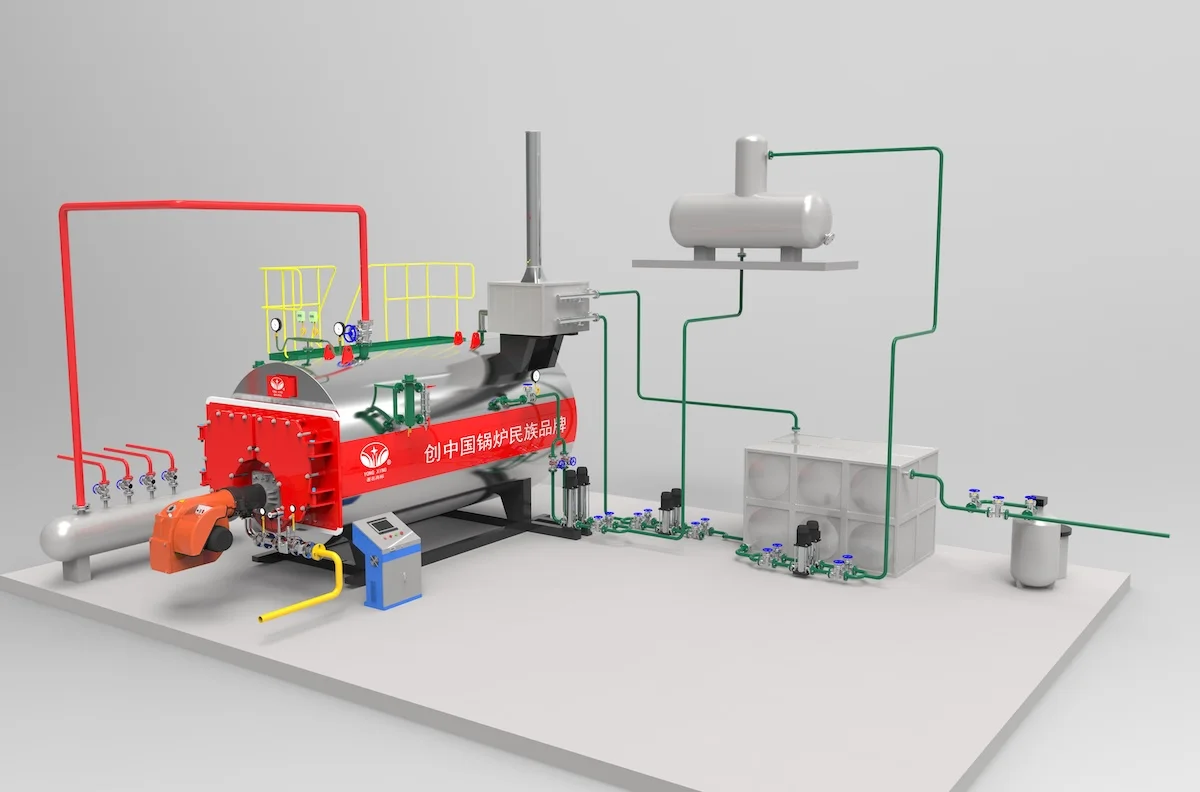
A gas/oil boiler system mainly consists of the boiler body (combustion furnace and fire tubes), an integrated monoblock burner, electrical control panel, feedwater treatment system, and safety devices.
Safety devices include safety valves, dual-color level gauges, pressure controllers, and explosion doors where applicable.
Main auxiliary equipment depends on the boiler type and application.
For gas/oil steam boilers, common auxiliaries include:Monoblock burner with blower, servomotor, and fuel valve train;Feedwater pumps;Water softening or RO systems;Condensing economizers;Steam headers (when required by the steam distribution system).
For oil-fired models, additional equipment include:Gas pressure regulating trains;Daily service oil tanks and oil supply systems.
The final auxiliary configuration depends on fuel type, boiler capacity, operating conditions, and project requirements.
Gas/oil boilers are commonly classified by fuel type, structural design, and output medium.
Fuel type: Natural gas, LPG, biogas, diesel, and heavy oil.
Structural design: Vertical once-through boilers or horizontal three-pass wet-back WNS boilers.
Output medium: Saturated steam, superheated steam, or hot water.
Gas/oil boilers provide clean operation, high efficiency, fast response, and automatic control.
Key advantages include:Low emissions with minimal dust and SO₂;Low-NOx models can achieve emissions below 30 mg/m³ under specific test conditions;High thermal efficiency, with condensing systems reaching up to 100.9% efficiency based on LHV calculation;Fast steam generation during cold start;Automatic operation with one-touch start/stop and load modulation;No manual fuel feeding or ash removal system required.
Standard horizontal WNS boilers usually require 20–35 days for manufacturing.
Customized configurations, including low-NOx FGR systems, high-pressure designs, or skid-mounted packages, normally require 40–60 days.
Lead time includes fabrication and hydrostatic pressure testing.
Key safety points include preventing fuel leakage, avoiding dry firing, and maintaining proper water treatment.
Important measures include:Checking fuel supply systems regularly for leakage;Ensuring proper water level and feedwater quality;Performing routine blowdown to control water quality;Running the pre-purge cycle before ignition to prevent furnace explosions;Preventing scaling, overheating, and tube damage through proper water treatment.
Natural gas contains almost no ash and sulfur. When combined with low-NOx burners, gas boilers can meet many emission requirements without additional equipment such as flue gas desulfurization (FGD), selective catalytic reduction (SCR), or baghouse dust collectors.
This helps reduce initial investment in emission control systems.
Natural gas has an IPCC emission factor of 56.1 kg CO₂/GJ, which is typically lower than coal depending on fuel quality and combustion conditions.
Using natural gas can help reduce carbon emissions and lower potential carbon-related operating costs.
Dual-fuel boilers can automatically switch between gas and oil operation to maintain production continuity when fuel supply changes.
In some regions, cleaner fuel technologies may benefit from simpler approval procedures or available environmental incentives. Specific policies depend on local regulations.
Emergency operation usually uses Ultra-Low Sulfur Diesel (ULSD, sulfur content below 15 ppm).
Low-sulfur fuel helps reduce SOx emissions, while staged-combustion burners help control NOx emissions and meet applicable local emission requirements.
Boiler solutions for the food industry
Boiler solutions for chemical
Boiler solutions for heating industry
Boiler solutions for pharmaceutical
Boiler solutions for the hotel industry
Boiler solutions for paper industry
Boiler solutions for textile industry
Boiler solutions for building materials
Boiler solutions for breeding
Boiler solutions for feed industry
Boiler solutions for mining industry
Boiler solutions for brewing industry
Yongxing Special Equipment Co., Ltd. is located in Taikang County, Zhoukou City, Henan Province. Established in the early 1980s, it is a company specializing in the research, design, production, sales, installation, renovation, and a series of services for products such as boilers and pressure vessels.
As one of the earlier companies in the domestic boiler industry, Yongxing Special Equipment was the first to obtain the Class A boiler manufacturing license issued by the State Administration for Market Regulation. Subsequently, it acquired the Class A pressure vessel manufacturing license and the Class A boiler installation, renovation, and repair license.
Development History
Manufacturing Plant Area
Patented Technology
Exported Countries
Tell us your project type and operating requirements. We will provide you with the best solution based on your requirements.